LABORATORY RESEARCH USE

Every compound described here is presented as a research material for laboratory conditions.

PUBLISHED LITERATURE

Compound profiles focus on what the material is and where it appears in scientific literature.

CLEAR BOUNDARIES

No therapeutic claims, dosing guidance or personal-use protocols.

Peptide research · clearly presented

PRECISION STARTS WITH KNOWING WHAT YOU’RE RESEARCHING.

High-purity peptide compounds for laboratory research, presented with clear compound information, published research context and strict research-use boundaries.

No therapeutic claims · No dosing guidance · No human or veterinary use

CURRENT POPULAR COMPOUNDS WE RESEARCH

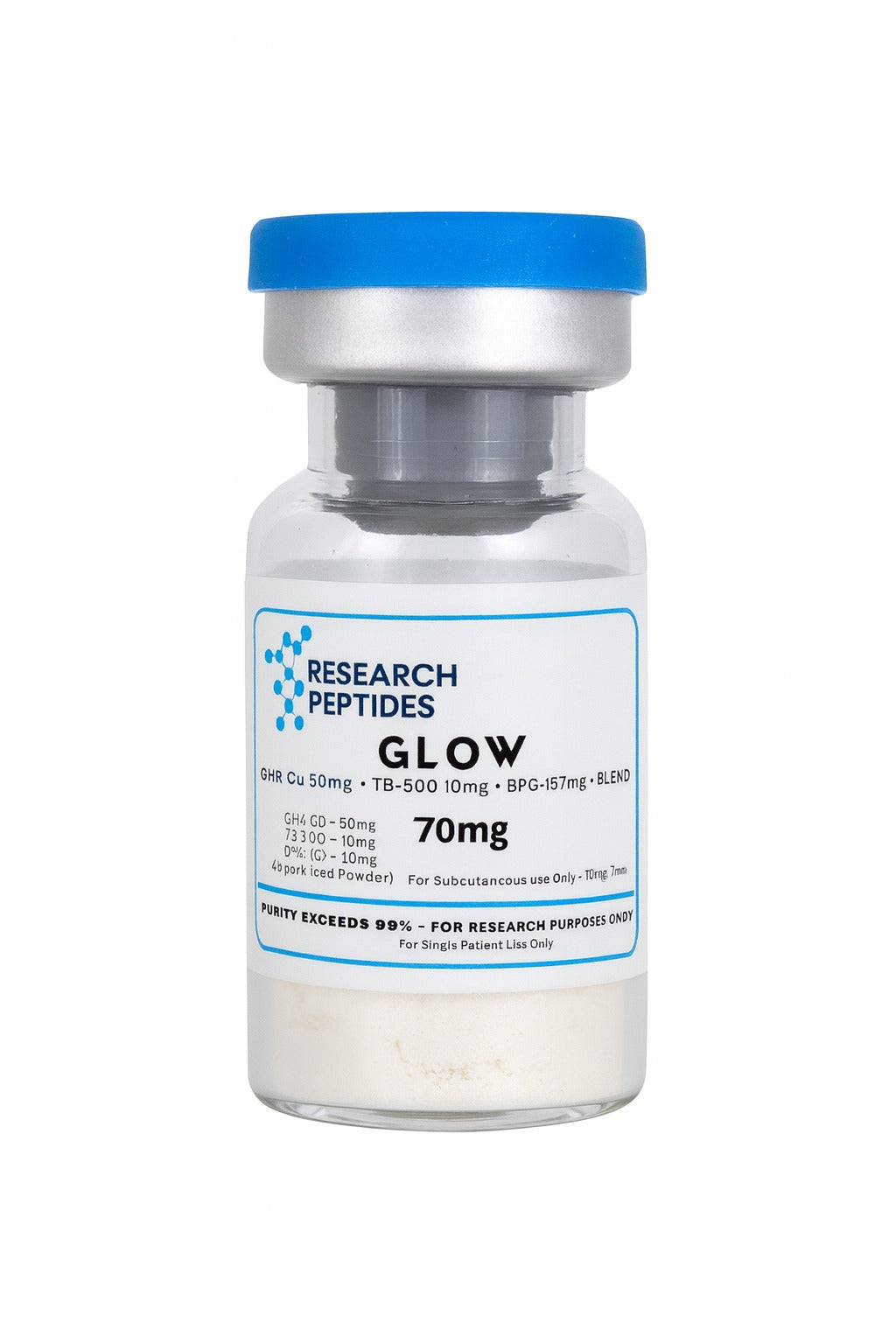
C20-GLP3

Copper-Binding Peptide Biology


Scientific literature exploring GHK-Cu, copper-binding activity and associated peptide signalling pathways.

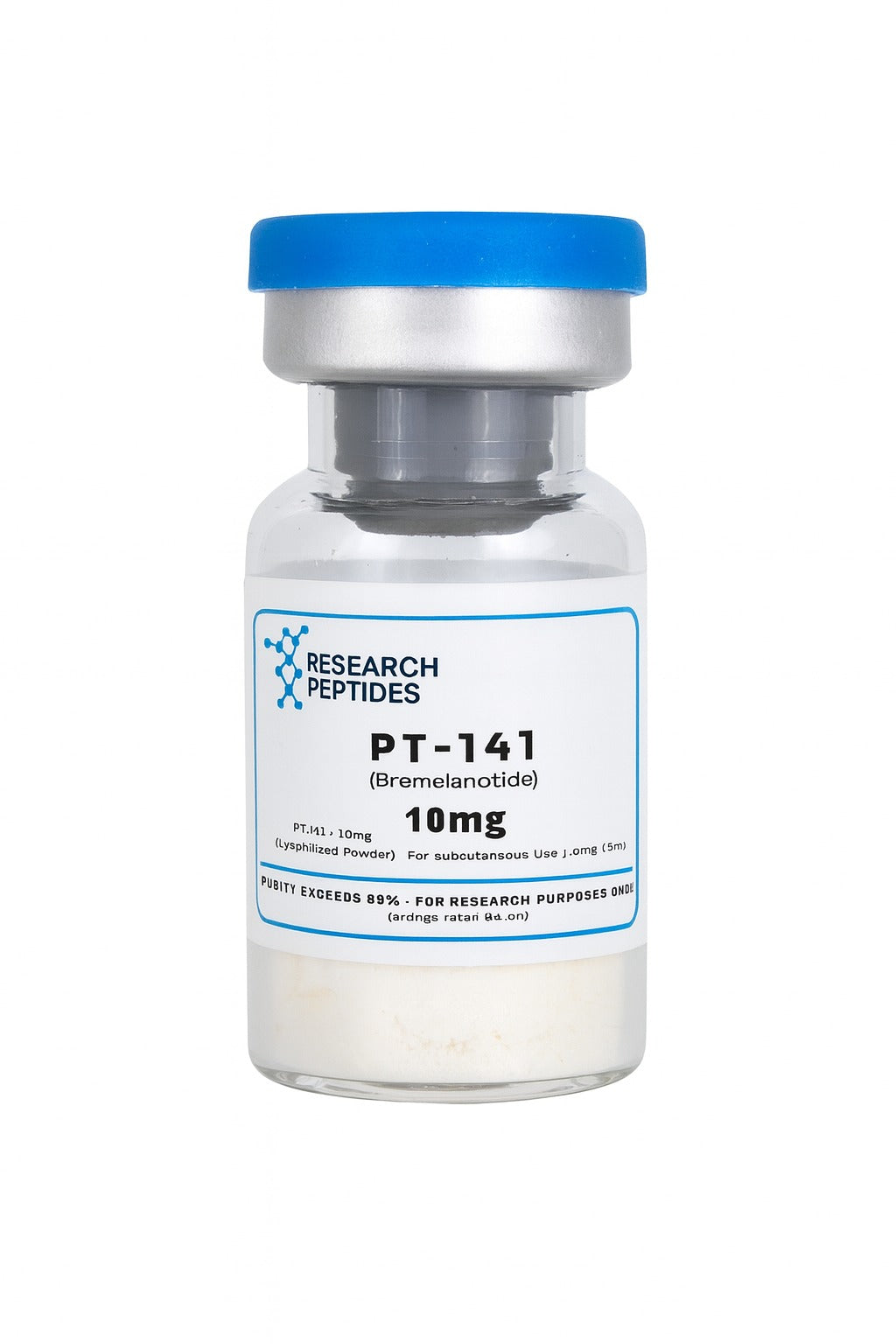
GLP1

Copper-Binding Peptide Biology


Scientific literature exploring GHK-Cu, copper-binding activity and associated peptide signalling pathways.

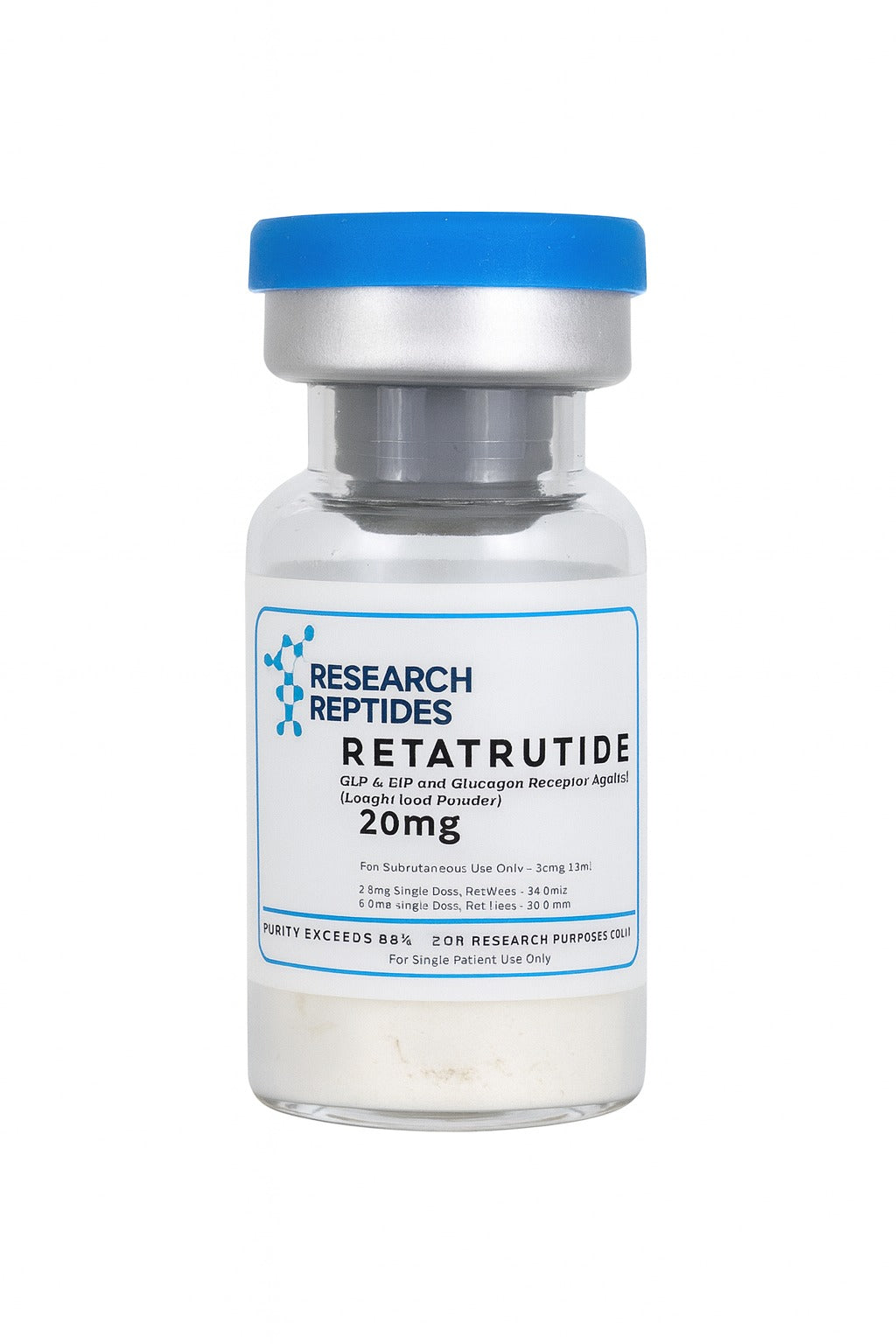
Copper-Binding Peptide Biology


Scientific literature exploring GHK-Cu, copper-binding activity and associated peptide signalling pathways.

POSSIBLE BENEFITS OF PEPTIDES

Metabolic Research

Recovery & Tissue

Longevity Support

Skin & Hair

Cognitive Research

Hormonal Signalling

ABOUT RESEARCH PEPTIDES INTERNATIONAL

Research Peptides International was established to raise the standard within the research peptide industry through quality, consistency, education and professional customer support.

✓ Quality & Consistency
✓ Educational Resources
✓ Ongoing Customer Support

FREQUENTLY ASKED QUESTIONS

What is Research Peptides?

We are a research group working with high-purity peptide compounds under laboratory conditions. This site documents the compounds we work with and what the published literature says about them. We are not a pharmacy, a clinic or a supplement company.

What product information is available?

Product pages include research information, specifications and relevant supporting documentation where available.

How should products be stored?

It depends on the compound. As a general principle, lyophilised peptides are kept cool and dry, out of direct sunlight, and away from moisture and unnecessary changes in temperature. Longer-term storage is usually refrigerated or frozen. Always check the documentation supplied with a specific compound rather than relying on a general rule.

Are Certificates of Analysis available?

Yes. Certificates of Analysis are available for applicable products to provide batch-specific quality and testing information.

View all FAQs →

ACCESS RESEARCHER RESOURCES

ENQUIRE